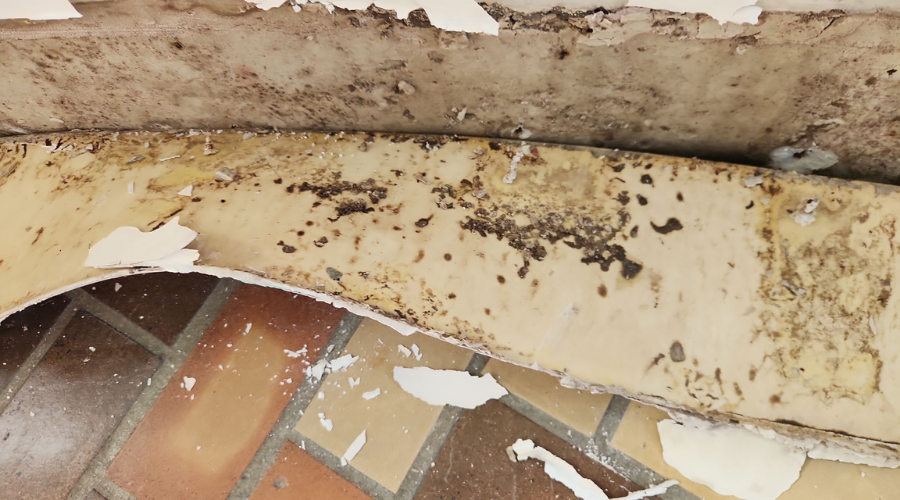
Florida homes grow mold with the AC on because air conditioning cools the air but doesn’t always pull out enough moisture. A unit that cycles too fast, a clogged drain line, a slow leak, or humid outdoor air slipping inside can keep drywall, wood, and insulation damp all day. Mold can start within 24 to 48 hours, so the only lasting fix is finding the water source and getting Mold Remediation Miami help before it spreads. At Rapid Response Restoration, we always trace the moisture first, because removing mold without fixing the cause just brings it back.
Why Cold Air Doesn’t Mean Dry Air
Most people assume a cold house is a dry house. It isn’t. Your AC removes humidity only while the compressor is running, and in a South Florida summer it often shuts off before the air is dry. The EPA recommends keeping indoor humidity between 30 and 50 percent, and mold becomes a real risk when it stays above 60 percent. Cooler surfaces like windows, ducts, and exterior walls also collect condensation, which hands mold the water it needs.
5 Reasons Mold Grows Even With the AC On
1. The AC Is Oversized and Short Cycles
A system that is too big for the space cools the room quickly, then turns off before it has removed much humidity. The thermostat reads 74°F while the walls and furniture stay clammy. If your home feels cold but sticky, this is the first thing to check.
2. A Clogged Condensate Drain Line
Your AC pulls water out of the air and sends it outside through a drain line. In humid climates that line can fill with algae and slime, then back up into the drip pan, the air handler closet, or the ceiling below. Water from an AC unit is a common hidden cause of mold, and we cover what it looks like in Water Damage From AC Unit.
3. Sweating Ducts, Vents, and Air Handlers
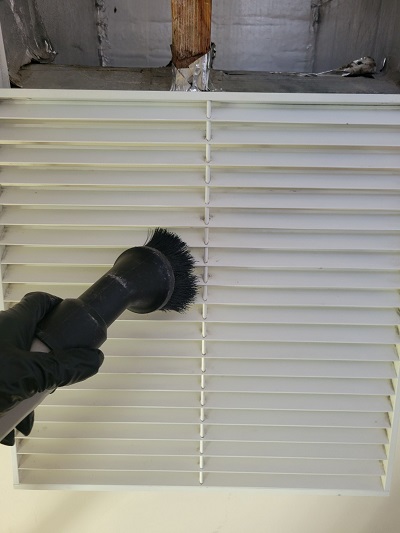
Cold ductwork running through a hot attic or ceiling space drips condensation when insulation is thin, wet, or damaged. You may notice dark spots around vents, damp insulation, or stains on the ceiling. The mold often grows where you can’t see it, then shows up as a smell.
4. Hidden Leaks Behind Walls and Ceilings
A pinhole pipe leak, a failing supply line, or a roof leak can soak drywall for weeks without any visible puddle. The AC can’t dry what is trapped inside a wall cavity. If you suspect a leak, the Rapid Response Restoration water damage restoration team can find the wet areas and dry them before mold takes hold.
5. Humid Outdoor Air Getting Inside
Gaps around windows, doors, attic hatches, and plumbing penetrations let warm, wet air in. That air meets cooled surfaces and turns into water. Older buildings and homes with worn weather stripping are the usual culprits.
Not sure where the moisture is coming from? A mold inspection Miami property owners can book through Rapid Response Restoration checks moisture levels and hidden growth so you aren’t guessing.
Miami-Area Moisture Problems That Feed Mold
Our area deals with more moisture than most of the country, and it comes from several directions at once:
- Heavy summer downpours that push water past roof flashing and window seals
- Street and ground-level flooding in low-lying and coastal neighborhoods
- Roof leaks after tropical storms
- Salt air and constant humidity that keep building materials from drying
- AC condensation and drain problems during months when the system runs nonstop
Flooding and coastal hazards are recognized local concerns in North Miami’s own planning documents, so this isn’t a rare situation. It’s the normal operating environment for a property here.
Mold Risks by Property Type
Different buildings fail in different ways, so the warning signs vary:
- Condos: Shared walls, stacked plumbing, and a neighbor’s leak can bring water into your unit. AC closets are a frequent trouble spot.
- Single-family homes: Attics, crawl spaces, and exterior walls take on moisture from roof and window leaks.
- Rental properties: Small leaks go unreported for weeks. Property managers can set up a recurring moisture check through our property managers page.
- Vacant homes: If the AC is off or set high while no one is there, humidity climbs and mold can spread through a closed-up house.
- Commercial buildings: Large HVAC systems, drop ceilings, and storage areas hide moisture for a long time.
Signs You Already Have a Mold Problem
Mold usually announces itself before you see it. A musty smell that comes back after cleaning is the most common clue. Other signs include peeling paint, bubbling drywall, warped baseboards, ceiling stains, and allergy-like symptoms that ease when you leave the house. If several of these sound familiar, read 7 Signs Your Property Needs Mold Remediation for a closer checklist.
What to Do the Moment You Find Mold
- Stop the water source if you can find it, such as a leaking line or a clogged drain
- Run the AC and a dehumidifier to bring humidity down
- Keep the area closed off, and don’t scrub or sand it, which spreads spores
- Take photos before anything is cleaned up, since insurance claims often need them
- Don’t mix bleach and other cleaners
Can You Clean It Yourself?
For a small patch on a hard surface, usually under about 10 square feet according to EPA guidance, many homeowners handle it themselves. Anything larger, anything inside a wall, ceiling, or duct, or anything that returns after cleaning needs a professional. Color doesn’t tell you how risky mold is. Black mold removal Miami homeowners need is handled the same careful way as any other growth: contain it, remove it, and fix the moisture behind it.
What Professional Mold Remediation Looks Like
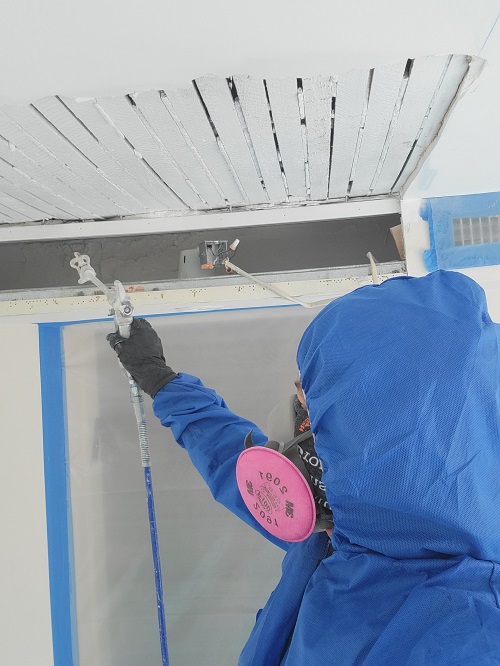
Real remediation goes beyond wiping surfaces. Here is how a Rapid Response Restoration job typically runs:
- Inspect the property and map moisture levels
- Fix or flag the water source
- Set up containment so spores don’t travel to clean rooms
- Remove affected materials like wet drywall and insulation
- Clean and dry the area with HEPA filtration and air scrubbing
- Confirm the area is dry and clear before rebuilding
Skipping the moisture fix is the most common mistake, and it’s why mold keeps coming back. Proper Mold Remediation Miami work treats the cause, not just the stain. If you’re comparing options, How Much Does Mold Remediation Cost explains what affects pricing so you know what to expect.
Need a professional to look at it? Book a visit and get a straight answer on what’s behind your walls. Learn more about Mold Remediation Miami from Rapid Response Restoration.
Local Notes for Coastal Neighborhoods
Rapid Response Restoration works across these coastal neighborhoods, and each one has its own moisture pattern. In Miami Beach, condos and older buildings near the water deal with salt air and shared-plumbing leaks, and mold remediation Miami Beach residents need often traces back to a unit above or beside them. Our Miami Beach team sees this often.
Mold Remediation Bay Harbor Islands and Mold Removal Bay Harbor Islands calls often come from low-lying homes and condo buildings where stormwater and humidity linger; see our Bay Harbor Islands page. In Bal Harbour, high-rise units need Mold Remediation Bal Harbour and Mold Removal Bal Harbour support when AC closets and balcony doors let moisture in.
For Surfside, Mold Remediation Surfside and Mold Removal Surfside requests usually follow roof and window leaks near the ocean. Mold Remediation in Sunny Isles Beach and Mold Removal Sunny Isles Beach work is common in oceanfront towers, and our Sunny Isles Beach page covers that area. Over in Aventura, Mold Remediation Aventura and Mold Removal Aventura jobs often start with sweating ducts and clogged drain lines in busy buildings. We also serve Miami Shores, where older single-family homes hide roof and plumbing leaks.
How to Keep Mold From Coming Back
- Keep indoor humidity between 30 and 50 percent with a hygrometer
- Flush the condensate drain line and change filters on schedule
- Don’t set the AC very high or turn it off when you leave
- Fix roof, window, and plumbing leaks right away
- Dry wet materials within 24 to 48 hours
Fast drying is the best defense, and How Professional Water Damage Restoration Prevents Mold Growth shows how that works in practice.
Frequently Asked Questions
How soon can mold grow after a leak?
Often within 24 to 48 hours when materials stay wet.
Can mold grow behind drywall?
Yes. Wet drywall, insulation, and framing hold moisture where you can’t see it, and growth is often found only when a smell or stain appears.
Why does my house smell musty with the AC on?
Usually the AC isn’t removing enough humidity, the drain line is clogged, or there’s hidden growth in a wall, duct, or air handler.
Do I need mold removal Miami FL services, or is mold removal something I can do myself?
Small surface patches can be cleaned by the homeowner. Larger areas, hidden growth, and repeat problems need professional help.
What if I just searched mold remediation near me Miami?
Choose a company that inspects first, finds the moisture source, and explains the plan in writing before work begins. That is how Rapid Response Restoration handles every assessment.
Get Help From Rapid Response Restoration
If mold keeps returning in spite of a working AC, the moisture source is still there. Our team will find it, remove the growth, and help you keep it from coming back. For trusted Mold Remediation Miami service, request an assessment with Rapid Response Restoration and we’ll schedule a visit.
