If you are dealing with mold in your home or business, one of the first questions you may have is, “How much will mold remediation cost?” In Miami, the price can vary significantly depending on the size of the affected area, type of mold, moisture source, accessibility, and amount of damage. A small, isolated problem may require limited treatment, while extensive contamination can involve containment, removal of damaged materials, cleaning, drying, and repairs.
For homeowners researching mold remediation in Miami FL, the best way to understand the potential cost is to have the property inspected before agreeing to a remediation plan. A proper inspection can help identify where the mold is coming from and whether the problem is limited to one area or has spread behind walls, under flooring, or into other building materials.
What Is Mold Remediation?
Mold remediation is more than simply spraying a chemical on visible mold. The process is intended to address the contamination and, just as importantly, the moisture problem that allowed the mold to grow.
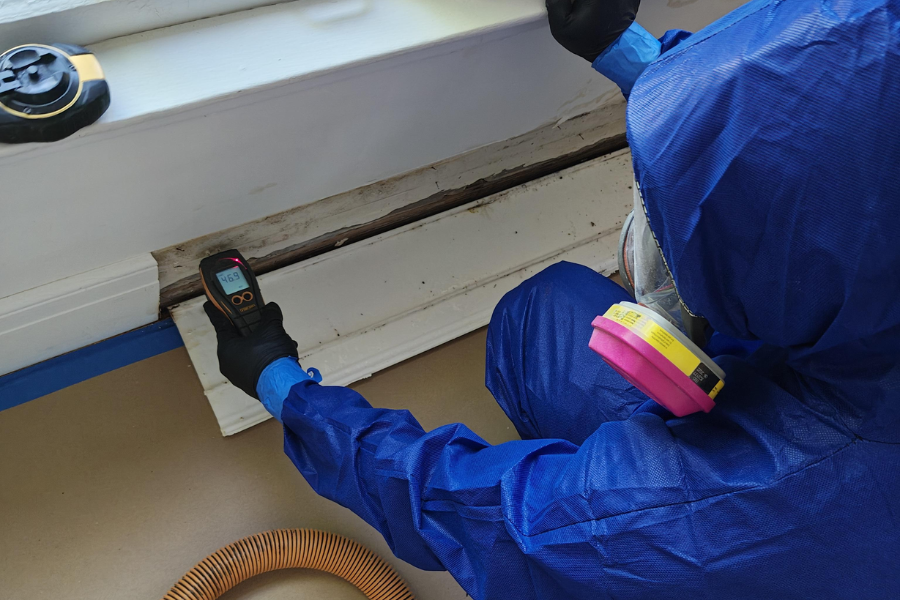
Depending on the situation, professional remediation may involve:
- Identifying the source of moisture
- Inspecting affected rooms and building materials
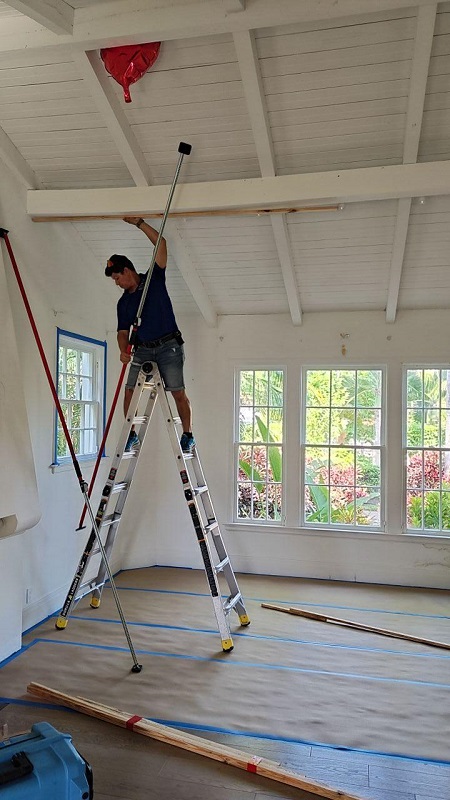
- Setting up containment when necessary
- Removing contaminated or unsalvageable materials
- Cleaning and treating affected surfaces
- Using professional drying equipment
- HEPA vacuuming and air cleaning when appropriate
- Checking the area after cleanup
- Recommending repairs to prevent the problem from returning
This is why two properties with similar-looking mold spots can have very different remediation costs.
How Much Does Mold Remediation Cost in Miami?
There is no single price that applies to every property. A contractor should evaluate the size and severity of the problem before providing a meaningful estimate.
The main factors that influence the price include:
1. Size of the Mold-Affected Area
A small patch in a bathroom is generally less involved than mold affecting an entire room or multiple areas. Larger contamination may require more labor, equipment, containment, cleaning, and disposal.
2. Type and Extent of Mold
Different types of mold can require different handling procedures. What matters most for pricing is often the extent of contamination and the materials affected rather than simply the color of the mold.
If you see dark or black-colored growth, do not assume you can determine its type by appearance alone. A professional Miami FL mold inspection service can help determine what is happening and where the moisture problem may be located.
3. Hidden Mold
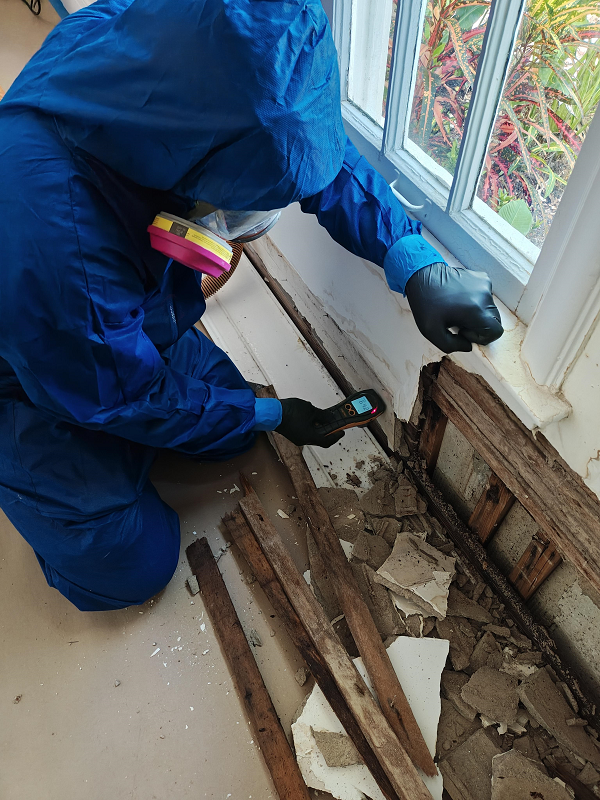
Visible mold is not always the entire problem. Mold can develop behind drywall, beneath flooring, around plumbing, inside cabinets, or in areas affected by a roof or HVAC leak.
Finding hidden contamination can increase the scope of work because materials may need to be opened, removed, cleaned, or replaced.
4. Moisture and Water Damage
Mold usually needs moisture to grow. If a leak, flooding event, condensation problem, or humidity issue remains unresolved, cleaning the visible mold alone may not solve the problem.
This is particularly important in South Florida, where warm and humid conditions can contribute to moisture-related problems.
If water damage is left untreated, it can create conditions where mold develops. Water stains, discoloration, damp materials, and other visible changes can be signs that a moisture problem needs attention. Read More: What Does Water Damage Look Like?
5. Materials That Need Removal
Porous materials such as drywall, insulation, carpet, and some ceiling materials can be difficult to restore when heavily contaminated. In some situations, removal and replacement may be recommended instead of attempting to clean materials that cannot be reliably restored.
Mold remediation is more than simply spraying a chemical on visible mold. The process is intended to address the contamination and, just as importantly, the moisture problem that allowed the mold to grow.
Read More: What Is Mold Remediation and When Do You Need It?
Does Mold Inspection Cost Extra?
It can, depending on the company and scope of service. An inspection is useful when the source or extent of contamination is unclear.
A proper inspection may look for:
- Visible mold growth
- Moisture intrusion
- Water-damaged materials
- Areas with elevated humidity
- Possible leaks
- HVAC-related concerns
- Signs of hidden contamination
An inspection should provide useful information rather than simply serve as a sales step. Ask what will be inspected, whether moisture readings are included, and what documentation you will receive.
If you have searched for “mold remediation near me Miami,” compare companies based on their inspection process, experience, scope of work, and communication—not just the lowest advertised price.
Need Help With a Mold Problem?
If you have visible mold, a musty odor, or signs of water damage, Rapid Response Restoration can assess the situation and explain the next steps without making the process confusing. Contact the team to schedule an inspection or discuss your property.
When Does Black Mold Removal Cost More?
People often use the term “black mold” when referring to dark-colored mold growth. However, color alone does not identify a specific species.
The cost of black mold removal in Miami depends on the actual conditions at the property. If the growth covers a large area, has entered porous materials, or is connected to significant water damage, the project can require more labor and equipment.
The safest approach is not to focus only on the color. The important questions are: How extensive is the contamination? Where is the moisture coming from? What materials are affected? And can the area be properly cleaned or does something need to be removed?
Mold Remediation in Miami Beach and Nearby Communities
Mold problems can occur in homes, condos, rental properties, offices, retail spaces, and other buildings throughout the Miami area. Properties in coastal communities may also experience moisture-related concerns associated with humidity, leaks, condensation, and storm or water damage.
Residents searching for mold remediation Miami Beach or mold remediation North Miami Beach should look for a company that understands local building conditions and can explain the source of the moisture problem.
Rapid Response Restoration provides services in communities including Bay Harbor Islands, Bal Harbour, Surfside, Aventura, Sunny Isles Beach, Miami Beach, Miami Shores, and surrounding areas.
For properties in coastal areas, prompt attention can be especially important when water intrusion is involved.
What About Mold Remediation in Surfside?
If you live in or manage a property in Surfside, moisture problems should not be ignored. A small area of visible mold can sometimes indicate a larger issue involving a plumbing leak, roof intrusion, condensation, or another moisture source.
Mold remediation in Surfside projects should begin with an assessment of the affected area and the conditions causing the growth. If contaminated materials are involved, the remediation plan should clearly explain what will be cleaned, what may need to be removed, and how the area will be handled after cleanup.
If you are dealing with mold removal in Surfside, ask for a written scope of work so you understand exactly what the estimate includes.
Ready to Address Mold?
Don’t wait for a small moisture problem to become a larger cleanup project. Reach out to Rapid Response Restoration for an assessment and a clear explanation of the recommended remediation steps.
What Is Included in a Mold Remediation Estimate?
Before hiring a contractor, ask what is actually included in the quoted price. A lower estimate is not necessarily less expensive if important work is excluded.
A written estimate may include:
- Inspection and assessment
- Labor
- Containment
- Mold cleanup
- HEPA filtration or air cleaning where appropriate
- Removal and disposal of affected materials
- Drying equipment
- Cleaning of surrounding surfaces
- Post-remediation recommendations
- Necessary reconstruction or repairs, if offered
It is also important to ask whether repairs are included. Mold remediation and reconstruction are not always the same service.
Residential vs. Commercial Mold Remediation
Commercial properties can have more complicated remediation needs than residential properties because of their size, occupancy, building systems, and business operations.
For example, commercial mold damage restoration Miami projects may involve offices, retail buildings, restaurants, apartment buildings, or other larger facilities. The work may need to be coordinated around employees, customers, tenants, HVAC systems, and business schedules.
The larger the affected space, the more important it becomes to have a clearly defined scope of work and a plan for containing the affected area.
How Can You Avoid Paying More for Mold Problems?
You cannot always prevent mold, but you can reduce the chance of a small moisture issue becoming a major remediation project.
Pay attention to:
- Plumbing leaks
- Roof leaks
- Water stains
- Persistent condensation
- Musty odors
- Damp drywall or flooring
- HVAC moisture problems
- Indoor humidity that remains high
Fixing the source of moisture is one of the most important parts of preventing recurring mold. Simply cleaning visible growth without addressing the underlying water problem can leave the property vulnerable to another outbreak.
Mold usually needs moisture to grow, so fixing leaks, water intrusion, condensation, or other moisture problems is one of the most important ways to reduce the risk of recurring mold. Read More: How Professional Water Damage Restoration Prevents Mold Growth
Is Professional Mold Remediation Worth It?
For a very small surface area, homeowners may be able to address minor mold growth themselves when the cause is known, and the affected material can be safely cleaned. However, professional help becomes more important when mold is widespread, keeps returning, involves significant water damage, affects porous materials, or may be hidden.
A professional assessment can also prevent you from spending money on unnecessary work. The goal should be to determine the actual extent of the problem and address the conditions contributing to it.
Professional help becomes more important when mold is widespread, keeps returning, involves significant water damage, affects porous materials, or may be hidden. If you are unsure whether the problem is serious enough to require professional help, it can help to know the common warning signs. Read More: 7 Signs Your Property Needs Mold Remediation
Frequently Asked Questions About Mold Remediation
How do I know if I need mold remediation?
If you see recurring mold, smell a persistent musty odor, have had significant water damage, or suspect mold behind walls or other materials, an inspection can help determine whether professional remediation is appropriate.
Is mold remediation the same as mold removal?
The terms are often used interchangeably, but remediation generally refers to a broader process. It can include identifying the moisture source, containing the affected area, removing contaminated materials when necessary, cleaning the property, and taking steps to reduce the chance of recurrence.
How long does mold remediation take?
The timeline depends on the size of the affected area, materials involved, moisture conditions, and whether damaged materials need to be removed and replaced. Small projects may be completed relatively quickly, while larger losses can require multiple stages.
Can mold come back after remediation?
Yes, particularly if the moisture source has not been corrected. A successful project should address both the existing contamination and the conditions that contributed to its growth.
Should I choose the cheapest mold remediation estimate?
Not necessarily. Compare the scope of work, experience, inspection process, equipment, containment procedures, cleanup methods, and what is included in the estimate. A very low price may not cover everything required to properly address the problem.
Get a Clear Answer Before You Pay for Mold Cleanup
The cost of Mold Remediation Miami FL depends on the actual condition of your property, not simply the size of a visible mold spot. The extent of contamination, moisture source, affected materials, accessibility, and required cleanup all play a role.
If you are researching Mold Removal Miami FL, start by finding out what is causing the mold and how far the problem has spread. A professional assessment can give you a clearer picture of the work involved and help you make a better decision about the next step.
Rapid Response Restoration serves homeowners and businesses throughout Miami and nearby communities, including Bay Harbor Islands, Bal Harbour, Surfside, Aventura, Sunny Isles Beach, Miami Beach, Miami Shores, and surrounding areas.
If you have noticed mold, water damage, or a persistent musty smell, contact Rapid Response Restoration to discuss your property and arrange the appropriate next step.
