Water damage spreads fast in a condo, often within minutes. Water from a burst pipe or a failed supply line can cross a tile floor in under ten minutes, soak into drywall within the hour, and reach the unit below by the end of the day. Mold can start growing in 24 to 48 hours. In Bal Harbour, where humid air and thick concrete slabs slow drying, those hours count even more. This guide explains how water moves through a condo, why local buildings behave differently, and what to do right away. For Water Damage Restoration Bal Harbour, owners and property managers can rely on Rapid Response Restoration, which serves the area around the clock.
How Fast Does Water Spread After a Leak Starts?
Fast. In the first few minutes, water finds every low spot, seam, and gap in your floor. After that, it moves sideways and downward, not just across the surface. Here is a typical timeline for clean water from a supply line or pipe:
- 0 to 15 minutes: Water spreads across the floor, runs into seams, and reaches baseboards and door thresholds.
- 15 minutes to 1 hour: Drywall and baseboards start absorbing water. It wicks up the wall, and rugs, furniture legs, and cabinets soak it in.
- 1 to 24 hours: Water travels into wall cavities, under flooring, and through gaps around pipes into the ceiling of the unit below. Wood swells and paint bubbles.
- 24 to 48 hours: Mold spores start to settle on damp drywall, insulation, and wood. A musty smell is often the first sign.
- 48 to 72 hours and beyond: Mold spreads, and materials like carpet padding and soaked drywall often can’t be saved.
These are general ranges, not guarantees. The source of the leak, the amount of water, the flooring, and the building layout all change the pace. A slow drip behind a wall may take days to show up, while a failed water heater can flood a unit in under an hour.
Think water is already moving past your floor? Rapid Response Restoration can send a crew to check moisture levels and start drying. Send us a request through the contact form on our website and tell us what happened.
Why Does Water Damage Behave Differently in Bal Harbour Condos?
Bal Harbour sits on a barrier island with salt air, year-round humidity, and heavy summer rain. That creates a few local moisture problems. Indoor humidity stays high when a unit is closed up, and many owners here are seasonal and leave the A/C low or off for weeks. Salt air speeds up corrosion on supply lines, valves, and A/C parts. Tropical storms push rain through window seals and balcony doors. The high water table also keeps moisture lingering in concrete and in lower-level spaces like garages and storage rooms.
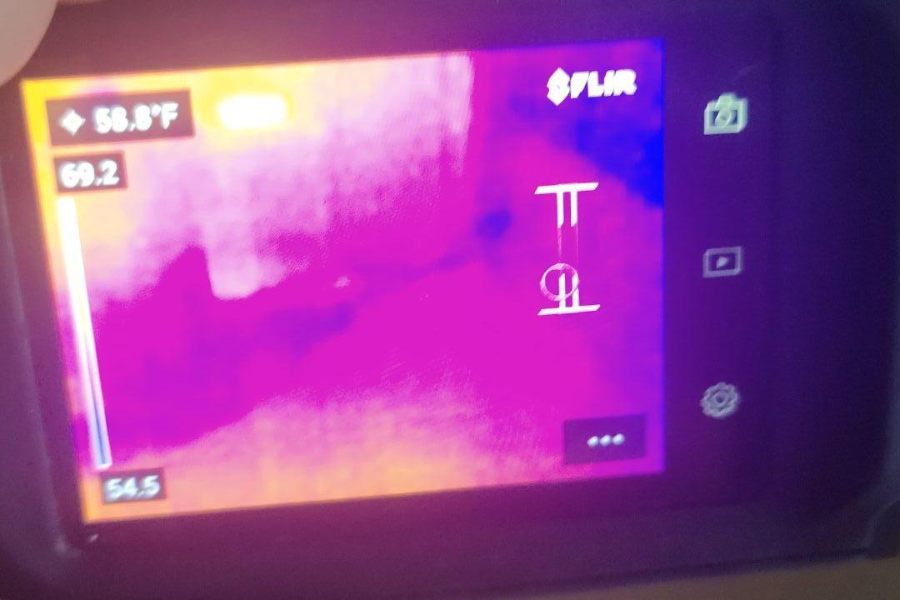
Property type matters too. Oceanfront high-rises have concrete slabs and shared plumbing risers, so one leak can reach several floors. Older mid-rise buildings in Bal Harbour, Bay Harbor Islands, and Surfside may have aging pipes. Townhomes and single-family houses have wood framing that soaks up water quickly. Many condos have tile, stone, or engineered wood over concrete, which can trap moisture underneath where you can’t see it. That is why water damage Bal Harbour condo owners deal with often looks minor on the surface and turns out bigger underneath. Water Damage Restoration Bal Harbour crews use moisture meters and thermal cameras for exactly this reason.
Tip: Find your unit’s water shutoff valve today, before you need it. It is often in a utility closet or near the water heater. Ask building management where the main riser shutoff is, too.
What Causes Most Water Damage in a Bal Harbour Condo?
The usual causes are supply line failures under sinks and toilets, washing machine and dishwasher hoses, water heater leaks, clogged A/C condensate drain lines, and stormwater coming through windows or balcony doors. The most serious is an emergency pipe burst inside a wall or ceiling, because it can run for hours before anyone notices. Neighbors matter as well. A leak in the unit above you can send water through your ceiling even if your own plumbing is fine.
Is a Small Leak Still an Emergency?
Yes, if you can’t find the source or the water keeps coming back. Slow leaks behind walls and under floors often do more damage than a single burst, because they stay wet for weeks. Watch for stains on the ceiling, bubbling paint, warped baseboards, a soft or cupped floor, a musty smell, or a water bill that jumped for no reason. If any of that sounds familiar, a moisture check settles the question in one visit, and you can book one from the contact page on our site.
What Should I Do in the First Hour of a Condo Water Leak?
Stop the water first. Shut off the supply valve to your unit, and if you can’t, call building management right away so they can close the riser. Turn off power to wet areas only if you can reach the panel without stepping in water. Then lift rugs, move furniture and valuables to a dry spot, and take photos and video for your insurance claim before you clean anything. Tell building management even if the leak seems contained, so they can check the units below. Skip the household vacuum, and don’t cut into walls yourself. Then call a restoration company, because every hour of delay adds drying time.
Tip: Record a video walk-through before you move anything. Say the date and time out loud and show where the water started and where it traveled. Insurers like clear, dated proof.
When Do You Need 24 Hour Water Damage Bal Harbour Help?
Any time water is still flowing, covers the floor, comes through a ceiling, reaches outlets, or affects a neighbor. Leaks don’t wait for business hours, and a 24 hour water damage Bal Harbour response keeps a night-time leak from becoming a multi-floor claim by morning. A reliable emergency restoration company Miami property owners trust will answer after hours, arrive with extraction and drying equipment, and start the same day. Rapid Response Restoration works that way, whether it is a burst pipe at 2 AM or a storm leak on a holiday weekend.
Water on the floor right now? Don’t wait until morning. Submit a request on our website and our team will respond as quickly as possible.
What Is Water Extraction and Why Does Speed Matter?
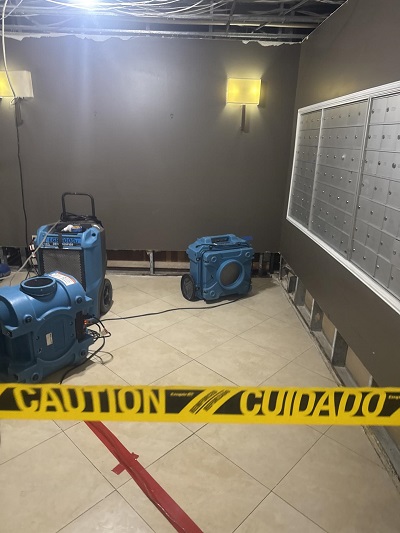
Water extraction means pulling standing water out of carpet, padding, and flooring with pumps and extractors before it soaks deeper. With water extraction Bal Harbour crews can remove most of the visible water quickly, but the job is not done there. Moisture hides in drywall, insulation, and under tile, so the crew maps it with meters and thermal cameras, then sets air movers and dehumidifiers. In humid South Florida, dehumidifiers do most of the work, because fans alone just move wet air around. Full Water Damage Restoration Bal Harbour work usually follows this order: inspection, extraction, drying, cleaning and sanitizing, and then repairs.
Drying often takes three to five days, and longer for concrete slabs, thick tile, and wall cavities. The crew checks readings each day and removes equipment only when materials reach safe levels.
Tip: Keep the A/C on and the windows closed during drying unless your restoration team says otherwise. Humid outdoor air slows the process.
Who Handles What: Unit Owner or Condo Association?
In most buildings, the association handles common elements like shared risers, exterior walls, and the roof, while the owner handles everything inside the unit. The exact split depends on your condo declaration, so read it and call your insurer early. Fast mitigation protects your claim, and a restoration company can supply moisture logs, photos, and an itemized estimate. Property managers can also use Water Damage Restoration Bal Harbour teams to set up a response plan before a loss happens.
Can One Company Handle the Cleanup and the Repairs?
Yes. Rapid Response Restoration is also a general construction company, so the same team that measured the moisture can rebuild drywall, flooring, paint, and cabinetry. That avoids the gap that happens when one company dries the unit and another one guesses at what was damaged. You deal with one crew, one timeline, and one set of records.
How Do I Choose an Emergency Restoration Company in Miami?
Check for licensing, insurance, and IICRC-certified technicians. Ask whether they answer 24 hours a day, how fast they usually arrive, and whether they document moisture readings and take photos. Ask for a written estimate and whether they work with your insurer. A company that can’t answer these quickly is worth skipping.
Quick Answers
How long before water damage leads to mold in a condo?
Mold can begin in 24 to 48 hours when materials stay damp, and humid Bal Harbour air speeds it up.
Can water from my condo damage the unit below?
Yes. Water moves through slab gaps, pipe openings, and wall cavities and can reach lower units within hours.
Does insurance cover water damage in Bal Harbour condos?
Sudden leaks and burst pipes are often covered, while long-term seepage often is not. Check your policy and call your insurer early.
Final Thoughts
Water moves quickly in a condo, and Bal Harbour’s humidity gives mold an easy head start. The first hour matters most: stop the source, document it, and call for help. If you need water damage restoration in Bal Harbour, residents can count on Rapid Response Restoration at any hour, which is ready to dry, clean, and rebuild.
Have a leak or a damp spot you can’t explain? Contact Rapid Response Restoration through our website and book your inspection today.
