If you smell mold but can’t see it, find where the moisture is coming from, keep the area closed off, and get a professional inspection. A musty odor almost always means mold is growing somewhere hidden, such as behind drywall, under flooring, above ceiling tiles, or inside your AC system. Acting early with a trusted Mold Remediation Miami team keeps a small hidden problem from turning into a costly one.
Why Do I Smell Mold but Not See Any?
The mold is growing out of sight, and the smell comes from gases it releases as it grows.
Those gases are called microbial volatile organic compounds (MVOCs). They travel through air gaps, vents, and wall cavities long before a stain shows up. Common hiding spots include:
- Inside wall cavities near leaky pipes
- Under carpet, vinyl, or laminate flooring
- Behind baseboards, cabinets, and vanities
- Above drop ceilings and around AC air handlers
- Inside air ducts and closets with poor airflow
So if your nose says “mold” and your eyes say “nothing,” trust your nose.
Hidden moisture often leaves other clues too. Here are the signs of hidden water damage you shouldn’t ignore.
Why Is Mold So Common in Miami and Nearby Areas?
South Florida has the perfect mix of heat, humidity, rain, and aging buildings.
Mold needs moisture, warmth, and something to feed on. Miami-Dade gives it all three almost year-round. Daily humidity often stays above 70%, afternoon storms push water into small gaps, and hurricane season can leave behind flooding and wet insulation. Salt air and constant AC use add more condensation inside walls and ceilings.
Different properties have different weak spots:
- Condos and high-rises (Sunny Isles Beach, Bal Harbour, Surfside): Shared plumbing lines, balcony leaks, and window seal failures can hide moisture for months before a neighbor or the building manager notices.
- Older concrete block homes (Bay Harbor Islands, North Miami Beach): Block walls absorb water, and older stucco can crack and let rain in.
- Single-family homes (Pembroke Pines, Aventura): Slab foundations, attic condensation, and AC drain line clogs are frequent culprits.
- Rental units and offices: Closed-up spaces with little ventilation let humidity build quietly.
If your property has had a leak, a storm, or an AC problem in the past year, that’s the first place to look.
Wondering why mold still shows up when your AC runs all day? Read why Florida homes develop mold even when the AC is running.
What Should I Do First When I Smell Mold?
Follow the smell, find the water, and stop feeding the problem.
Here’s a simple checklist to run through today:
- Check for active leaks under sinks, behind toilets, around the water heater, and near the AC unit.
- Look at your AC drain line and air handler. A clogged drain pan is one of the most common sources in Miami homes.
- Use a moisture meter or dehumidifier to see whether indoor humidity sits above 60%.
- Run your nose test room by room. The smell is usually strongest closest to the source.
- Don’t spray bleach or air fresheners. They hide the smell and can make air quality worse without removing the mold.
- Keep the area closed off and avoid sanding, cutting, or tearing out materials, which can release spores into the rest of the property.
- Take photos and notes of where the odor is strongest and when it started. This helps an inspector work faster.
If you can’t find the cause in a few hours, move on to the next step.
👉 Smelling mold right now? Book a mold inspection with Rapid Response Restoration and get answers before the problem spreads.
Can I Test for Hidden Mold Myself?
Store-bought kits can confirm mold exists, but they can’t tell you where it is or how far it has spread.
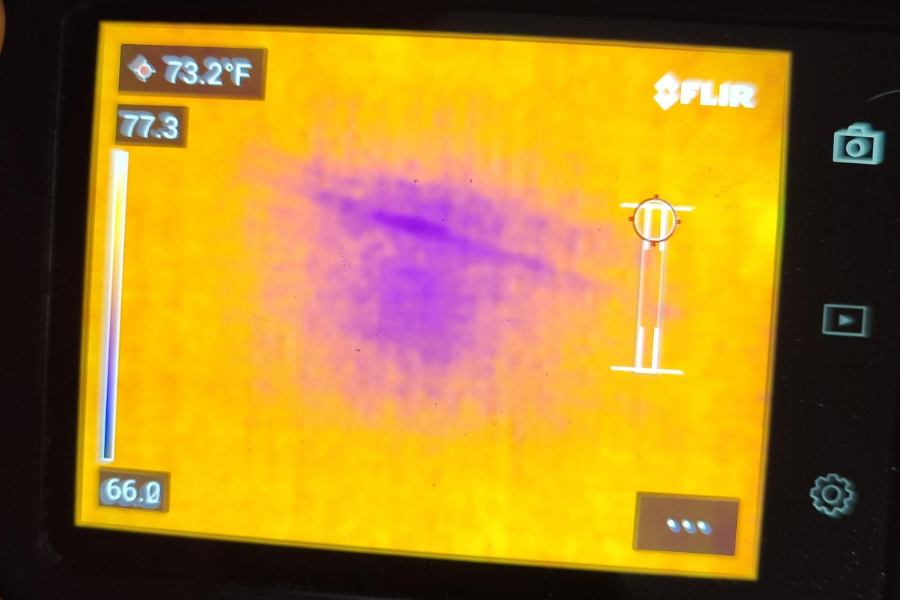
Home test kits mostly collect spores that are already floating around in any normal home, so results can be confusing. A trained inspector uses moisture meters, thermal imaging cameras, and air sampling to find hidden dampness without tearing your walls apart. That gives you a real map of the problem instead of a guess.
Is a Moldy Smell Harmful to My Health?
It can be, especially for children, older adults, and anyone with asthma or allergies.
Long exposure to indoor mold is linked to coughing, sinus congestion, headaches, itchy eyes, and worsened breathing problems. Not everyone reacts the same way, but a persistent musty odor is a sign your indoor air needs attention. If anyone in your home has respiratory issues or a weak immune system, don’t wait. Contact a doctor for health concerns and a mold professional for the property.
When Should I Call a Professional?
Call when the smell lasts more than a day or two, returns after cleaning, or comes with water damage.
Other signs it’s time to bring in help:
- The odor comes back after you dry and clean the area
- You’ve had a recent flood, roof leak, or plumbing burst
- You see bubbling paint, warped baseboards, or peeling wallpaper
- Family members feel better when they leave the property
- The affected area is larger than about 10 square feet
At this point, professional Mold Remediation Miami work protects both your health and your property value. DIY cleaning often wipes the surface and leaves the real growth behind the wall.
Not sure if your situation is serious enough? Check these 7 signs your property needs mold remediation.
What Does Professional Mold Remediation Actually Involve?
Inspection, containment, removal, drying, and a final check that the problem is gone.
Here’s what a reputable company should walk you through:
- Inspection and moisture mapping to find the source and the full spread.
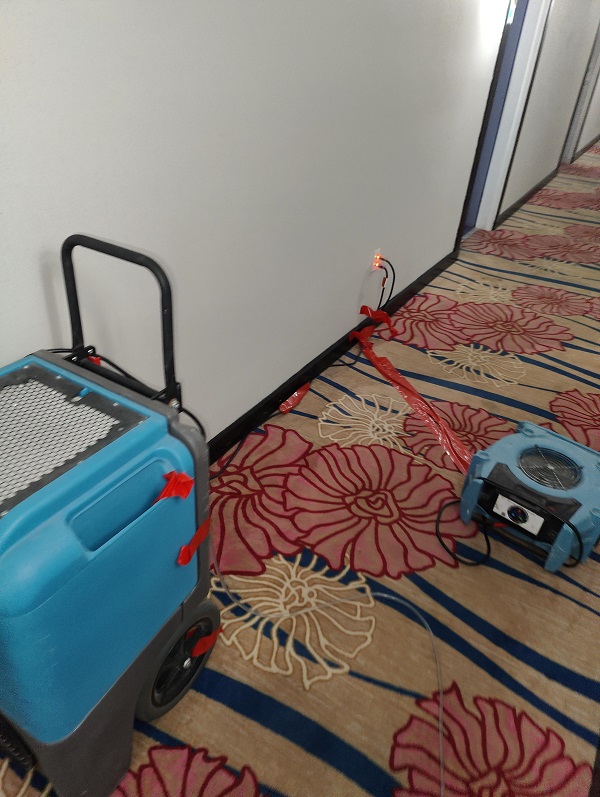
- Containment with plastic barriers and negative air machines so spores don’t travel.
- Removal and cleaning of affected materials using HEPA vacuums and antimicrobial treatment.
- Drying and dehumidifying the space until moisture levels are safe.
- Post-remediation verification to confirm the area is clean.
Fixing the moisture source matters as much as removing the mold. Without that, it just grows back. That’s why proper Mold Remediation Miami work always starts with finding the water, not just the stain.
Cost is usually the next question. See how much mold remediation costs and what affects the price.
👉 Want a clear plan instead of guesswork? Schedule your mold assessment with Rapid Response Restoration, and we’ll show you exactly where the issue is.
Is Black Mold Different From Other Mold?
Black-colored mold looks scarier, but the real risk depends on moisture and exposure, not color alone.
Many people search for black mold removal Miami after spotting dark patches near a shower or ceiling. Several mold types look dark, and only testing can tell them apart. Treat any dark growth the same way: don’t scrub it dry, don’t disturb it, and have it assessed. If it covers a large area or sits inside walls, professional removal is the safer path.
Which Areas Does Rapid Response Restoration Serve?
We help homeowners, condo associations, landlords, and business owners across Miami-Dade and Broward. That includes mold remediation in Bay Harbor Islands, Bal Harbour, Surfside, Sunny Isles Beach, Aventura, and North Miami Beach, along with mold removal in Bay Harbor Islands and Pembroke Pines. Each neighborhood has its own building styles and moisture patterns, so we adjust the inspection and cleanup to match your property, whether that’s a 20th-floor condo or a single-story block home.
How Can I Stop Mold From Coming Back?
A few habits go a long way in South Florida’s climate:
- Keep indoor humidity between 30% and 50%
- Service your AC regularly and flush the drain line
- Fix leaks within 24 to 48 hours
- Run bathroom and kitchen exhaust fans
- Dry any wet materials quickly after storms
- Leave a little space between furniture and exterior walls
Quick FAQs
How long does it take for mold to grow after water damage?
Mold can start growing within 24 to 48 hours in warm, damp conditions.
Can mold hide inside an AC system?
Yes. Air handlers, coils, and ducts are common spots, and they can spread spores through the whole property.
Is the smell enough to justify an inspection?
Yes. A persistent musty odor is a valid reason to have the property checked.
Final Thoughts
A musty smell with no visible mold isn’t something to ignore or cover up. Find the moisture, protect your air quality, and get an expert to confirm what’s behind the walls. When you’re ready for dependable Mold Remediation Miami support, Rapid Response Restoration is here to help.
👉 Ready to get started? Request your mold inspection today and breathe easier in your own space.
