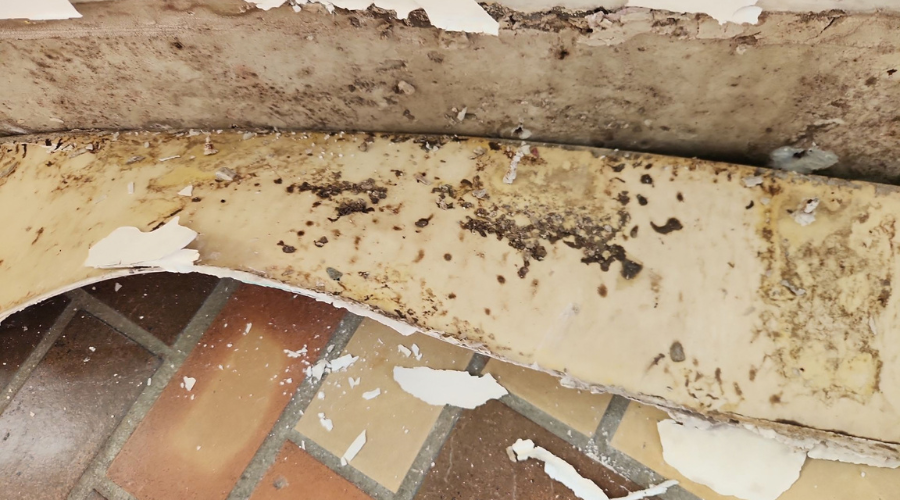
Mold remediation is the process of identifying, containing, removing, and addressing the moisture conditions that allow mold to grow. If you notice musty odors, visible mold, water stains, or recurring dampness, professional help may be appropriate. Mold remediation in Miami FL services can be especially relevant after leaks, flooding, storms, or prolonged humidity because moisture can remain hidden behind walls, under flooring, or inside other building materials.
Mold is not always limited to the area where you first see it. Cleaning a visible patch without addressing the moisture source may leave conditions that allow the problem to return. The right approach starts with understanding where the moisture came from, how far the affected area extends, and what materials may need attention.
What Is Mold Remediation?
Mold remediation is more than simply wiping away visible mold. It is a process designed to address mold growth while reducing the conditions that support it.
A professional assessment may involve looking at areas affected by leaks, condensation, flooding, plumbing problems, roof damage, or excessive indoor humidity. Depending on the situation, the process may include containment, removal of affected materials, cleaning, drying, and moisture control.
The goal is to address the mold problem and its underlying cause rather than treating only the surface where mold is visible. If you want to understand mold itself before addressing a problem, read What Is Mold? for more information.
When Do You Need Mold Remediation?
Not every small spot of household mold requires the same response. However, professional evaluation becomes more important when mold is widespread, keeps returning, follows water damage, or may be hidden. For more warning signs, read our guide to 7 Signs Your Property Needs Mold Remediation.
You may want to arrange an assessment if you notice:
- Mold covering a larger area or appearing in multiple rooms
- A persistent musty or earthy odor
- Water stains, damp drywall, or wet flooring
- Mold returning after household cleaning
- Recent flooding, plumbing leaks, or storm-related water intrusion
- Suspected mold behind walls, cabinets, ceilings, or flooring
- Ongoing condensation or high indoor moisture
- Previous water damage that was not completely dried
If you are unsure whether the issue is surface mold or something more extensive, an inspection can help determine the next appropriate step.
Why Mold Can Be a Problem After Water Damage
Water damage and mold growth often go together because mold needs moisture to grow. A leak can leave materials damp even after you remove the visible water.
For example, water can become trapped beneath flooring, inside drywall, around cabinets, or within insulation. If these areas remain damp, mold may develop without being immediately visible.
This is why drying and moisture control are important parts of dealing with water damage. If mold is suspected after a leak or flood, mold removal in Miami FL services may need to be considered along with repairs to the original water source. Learn more about how professional water damage restoration prevents mold growth and why prompt moisture control matters.
Mold Remediation vs. Mold Removal: What’s the Difference?
The terms mold removal” and “mold remediation” are often used interchangeably, but they can describe different aspects of the work.
Mold removal generally refers to physically removing mold or mold-affected materials from a property. Mold remediation refers to the broader process of controlling the affected area, removing contamination where appropriate, cleaning, drying, and correcting moisture conditions.
Simply removing visible mold does not necessarily solve the reason it developed.
For example, if a leaking pipe has caused mold behind a wall, cleaning the visible surface without repairing the leak could allow the problem to return. A proper response considers both the mold and the moisture source.
How Does Professional Mold Remediation Work?
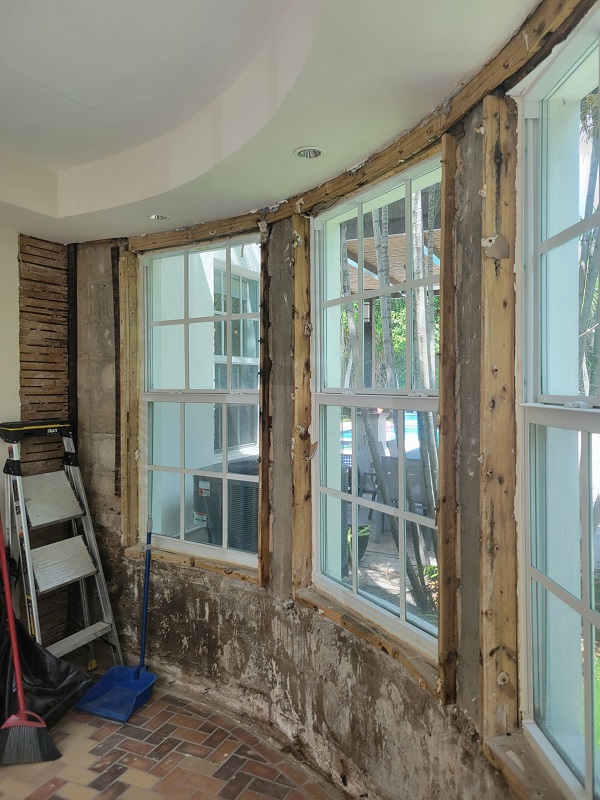
The exact process depends on the property and the extent of the problem. A professional may begin by evaluating visible growth, moisture conditions, previous water damage, and areas where mold may be hidden.
Common steps can include:
- Assessment: The affected areas and possible moisture sources are identified.
- Containment: Appropriate measures may be used to limit the movement of mold-affected materials or debris into unaffected areas.
- Removal and cleaning: Contaminated materials that cannot be effectively cleaned may need to be removed, while suitable surfaces can be cleaned using appropriate methods.
- Drying: Remaining moisture is addressed to help prevent continued growth.
- Moisture correction: Leaks, water intrusion, condensation, or other contributing conditions should be corrected.
- Follow-up: The affected area can be reviewed to determine whether additional work is needed.
The specific approach should depend on the type of building materials, the source of moisture, and the extent of the affected area.
For a closer look at the restoration process after water damage, see How the Water Damage Restoration Process Works in Miami.
Do You Need a Mold Inspection Before Remediation?
A mold inspection can be useful when the source or extent of mold is unclear. It may help identify visible and suspected hidden areas and determine whether further investigation is warranted.
For example, a musty odor without visible mold could indicate that moisture or mold is present somewhere less obvious. Similarly, recurring mold around a wall or ceiling may point to an unresolved moisture problem.
Not every situation requires extensive testing. The appropriate inspection method depends on the circumstances. A professional can explain what can be determined through a visual and moisture assessment and whether additional testing would provide useful information.
What About Black Mold?
The phrase “black mold” is commonly used for dark-colored mold, but color alone does not identify a particular species or determine the level of risk.
If you see dark mold growth, avoid relying on appearance alone to determine what it is. More importantly, identify the moisture source and determine how extensive the affected area may be.
For homeowners searching for black mold removal in Miami, the practical first step is to address the moisture problem and have the affected area evaluated rather than attempting to identify the mold solely by its color.
Get Help With a Mold Problem
If you have noticed recurring mold, water damage, or a persistent musty odor, Rapid Response Restoration can help assess the situation and determine what steps may be appropriate for the affected property.
Request a mold assessment and get a clearer understanding of the moisture and mold concerns affecting your property.
How Miami’s Climate Can Contribute to Mold Growth
Warm, humid conditions can make moisture management particularly important for properties in South Florida. Indoor condensation, plumbing leaks, roof leaks, flooding, and poorly controlled humidity can all create conditions where mold may grow.
This does not mean every humid home will develop a mold problem. The key issue is whether moisture is accumulating and remaining in materials or indoor spaces.
For homeowners searching for mold remediation near me in Miami, it is useful to consider both the visible mold and the environmental conditions that may be contributing to it.
Mold Remediation in Miami Beach and Nearby Areas
Mold concerns can affect properties throughout Miami and surrounding South Florida communities. Rapid Response Restoration provides restoration services for properties dealing with water and mold-related issues, including areas such as Miami Beach and nearby communities.
If mold appears after a plumbing leak, storm, flood, roof issue, or other water event, addressing the source quickly can help prevent the situation from becoming more extensive.
Need help with a mold concern? Call Rapid Response Restoration to discuss a mold assessment for your property.
Can You Remove Mold Yourself?
Small areas of surface mold may sometimes be addressed through appropriate household cleaning, but larger or recurring problems require more careful consideration.
DIY cleaning may not address hidden growth or the moisture source. It can also be difficult to determine whether porous materials have been affected or whether mold extends beyond what can be seen.
If mold covers a significant area, continues returning, is associated with extensive water damage, or may be hidden inside building materials, professional evaluation is a sensible next step.
How Can You Prevent Mold From Coming Back?
Mold prevention starts with moisture control. Once the immediate mold issue has been addressed, homeowners should focus on the conditions that allowed it to develop.
Helpful steps include:
- Repair plumbing and roof leaks promptly.
- Dry wet materials as soon as possible after water damage.
- Address condensation around windows, pipes, and HVAC systems.
- Keep indoor humidity at an appropriate level.
- Check areas that have previously experienced leaks or flooding.
- Improve ventilation in moisture-prone areas such as bathrooms.
- Watch for musty odors or recurring damp spots.
If mold continues returning in the same location, do not simply clean it again without investigating why the area remains vulnerable to moisture.
When Should You Call a Professional?
Consider professional help when mold is extensive, recurring, associated with significant water damage, or suspected in areas that are difficult to access.
A professional assessment can help answer practical questions such as where the moisture is coming from, whether affected materials may need removal, and what steps should be taken to address the problem.
For homeowners researching mold remediation Miami FL, the most useful starting point is not simply choosing a removal method. It is understanding the source, extent, and conditions behind the mold growth.
Get a Quote for Mold-Related Restoration
Do not wait for a recurring mold problem to become harder to address. Get a quote from Rapid Response Restoration to discuss your property’s mold or moisture concerns and determine the next step.
Frequently Asked Questions
How quickly can mold grow after water damage?
Mold can begin developing when moisture remains available, but the exact timing depends on factors such as moisture levels, temperature, materials, and ventilation. Prompt drying is therefore important after water damage.
Is mold remediation the same as mold removal?
Not exactly. Mold removal generally refers to removing mold or affected materials, while remediation can involve a broader process that includes containment, cleaning, drying, and addressing the moisture source.
Can mold come back after remediation?
It can return if the underlying moisture problem remains. Fixing leaks, controlling humidity, and properly drying affected materials are important parts of preventing recurring growth.
Should I leave my home during mold remediation?
That depends on the size and location of the affected area, the work being performed, and the property’s circumstances. A professional can explain whether occupants should remain in the property during the work.
What should I do if I find mold after a water leak?
Address the source of the water, avoid disturbing extensive mold growth, and assess whether professional assistance is needed. If moisture has entered walls, flooring, ceilings, or other porous materials, further evaluation may be appropriate.
Get Help With Mold and Water Damage
Mold is often a sign that moisture has been present somewhere it should not be. Identifying the source and addressing affected materials is more useful than simply cleaning what can be seen.
Rapid Response Restoration can help property owners assess mold and moisture concerns and determine the appropriate restoration steps. Contact us to request an assessment and discuss your property with the restoration team.
Ready to address a mold or moisture problem? Book an assessment with Rapid Response Restoration today.
