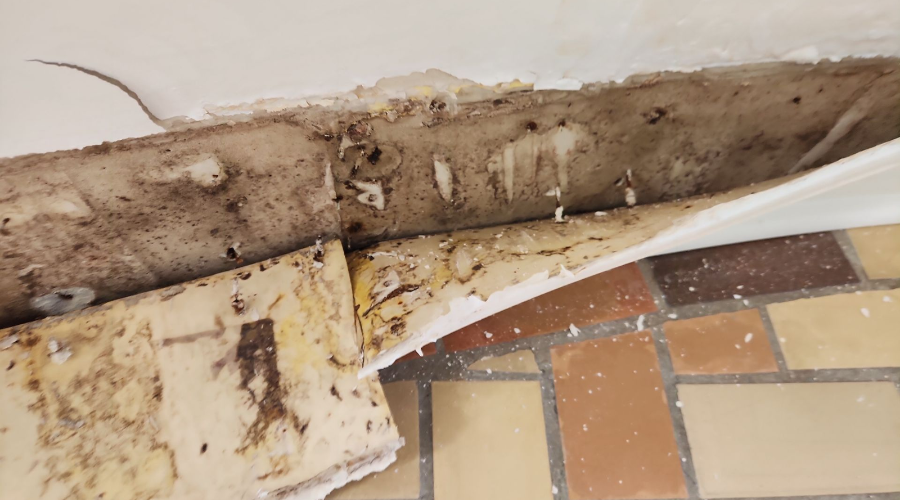
Yes, black mold can be dangerous, especially if anyone in your home has asthma, allergies, a weak immune system, or is a young child or an older adult. The dark, slimy growth most people call black mold is often Stachybotrys chartarum. It usually shows up after drywall, wood, or ceiling material stays wet for several days. In the Bay Harbor Islands, humidity stays high most of the year, and AC leaks, roof leaks, and plumbing problems are common. The safest move is to stop the water, leave the mold alone, and call a licensed team for black mold removal Miami homeowners can count on.
Is black mold really dangerous?
It can be, but color alone doesn’t tell you how risky it is. Plenty of molds look dark green, gray, or black, and only lab testing can name the exact type. What matters more is how much is growing, how long it has been there, and who lives in the home. Common reactions include a stuffy nose, coughing, wheezing, itchy eyes, skin irritation, and headaches. People with asthma can have flare-ups. The EPA advises treating any visible indoor mold as a problem to fix, whatever its color, so you don’t need to confirm it’s “the toxic kind” before you act.
Why does Bay Harbor Islands get so much mold?
Warm air, constant humidity, salt air, and buildings that stay closed up all work together. Summer dew points in Miami-Dade stay high, so moisture settles on cool surfaces like window frames, closet walls, and the back of drywall. Add afternoon downpours, hurricane-season storms, and a low-elevation island with a high water table, and materials rarely dry out completely. Some leaks are quiet: a clogged AC condensate line dripping into a wall, a failed window seal, or a slow supply-line leak under a sink. Storm-damaged roofs and windows are another common starting point, which is why prompt storm damage restoration matters before mold gets a head start.
Read more: Why Do Florida Homes Develop Mold Even When the AC Is Running?
Which property types are at the highest risk?
Condos have stacked plumbing and shared walls, so a leak upstairs can soak the ceiling and walls of the unit below before anyone notices. Seasonal units that sit empty with the AC off or set high build humidity fast. Older concrete-block homes with original windows, stucco cracks, and aging roofs let moisture in slowly, and mold grows behind paint and trim. Waterfront single-family homes and townhomes deal with flooding and storm-driven rain, so flood damage restoration is sometimes the first step before any mold work starts.
What are the warning signs of black mold?
Dark patches and a musty smell are the big two, but mold often hides before it shows. Watch for:
- Dark black, green, or gray patches on walls, ceilings, baseboards, or behind furniture
- A musty smell that returns after cleaning
- Paint that bubbles, peels, or stains near windows, vents, or sinks
- Soft, warped, or discolored drywall and baseboards
- Condensation that rarely dries on windows or AC vents
- Allergy-like symptoms that ease when you leave the house
If you see two or more of these, treat it as a moisture problem first and a cleaning problem second. Mold grows back wherever the water source is still active.
Read more: What Should You Do When You Smell Mold but Cannot See It?
Spotted dark growth and not sure what to do next? Talk to a licensed mold remediation team and get answers before it spreads.
Do you need a mold inspection first?
If you can’t find the source, or the growth is behind a wall, yes. A mold inspection Miami property owners schedule before any work gives you the location, moisture readings, and a written scope of what needs to be removed. Florida licenses mold assessors and mold remediators separately, so ask who is doing what and ask to see license numbers. Rapid Response Restoration holds both Florida licenses. An inspection report also gives you documentation if you need to file an insurance claim.
Want it checked before it gets worse? Schedule a mold inspection.
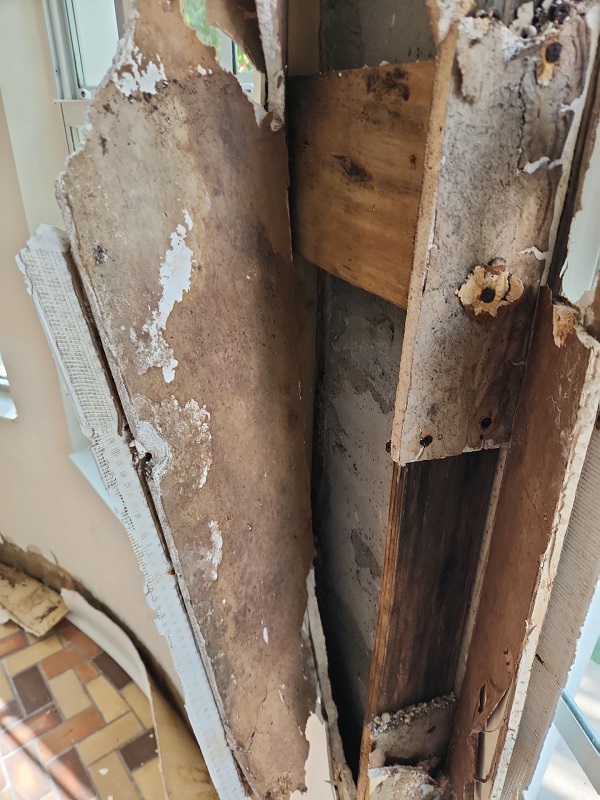
Can you remove black mold yourself?
Only small, surface-level patches, and only after the moisture problem is fixed. The EPA says areas of about 10 square feet or less are generally manageable for a homeowner. On hard surfaces, scrub with detergent and water, then dry the area completely. Wear an N95 mask, gloves, and goggles, keep fans off so spores don’t spread, and never mix bleach with ammonia or other cleaners. Bleach can fade the stain on tile, but it doesn’t reach the roots in porous materials like drywall and wood. Never paint over mold.
Call a professional when:
- The growth is larger than 10 square feet
- It’s inside a wall, ceiling, or crawl space
- It’s near your AC system or vents (spores travel through ducts, so air duct cleaning may be part of the fix)
- It followed sewage or floodwater
- Someone in the home has breathing problems
That is when Black Mold Removal Miami residents hire us; it’s worth the call. Not sure which side of that line you’re on? Send us a quick message, and we’ll tell you.
What happens during professional black mold removal?
The short version is containment, removal, cleaning, drying, and a recheck. The crew first finds the moisture source and measures how far it spread. They seal the work area with plastic sheeting and run air scrubbers with HEPA filters under negative air pressure, so spores don’t drift into other rooms. Wet porous materials like drywall, insulation, and carpet get cut out and bagged. Wood framing is cleaned with HEPA vacuums and damp wiping, and the space is dried to normal moisture levels.
Read more: What Is Mold Remediation and When Do You Need It?
Good mold remediation Miami work follows IICRC standards and ends with a check that the area is clean and dry. A licensed crew doing black mold removal in Miami properties needs to show you the containment setup and moisture readings, not just spray something and leave. If the leak that caused it is still active, water damage restoration comes first, and afterward a general construction company can rebuild the walls, floors, or ceilings that were removed.
How much does mold removal cost, and does insurance cover it?
Cost depends on the square footage affected, how many materials come out, how hard the area is to reach, and how much rebuilding follows. A written estimate for mold removal in Miami FL jobs should list each of those items so you can compare quotes fairly. Beware of any quote that gives a price over the phone without seeing the damage.
On insurance, Florida homeowner and condo policies often cover mold only when it follows a covered water loss, such as a sudden pipe burst, and many cap mold coverage at a set amount. Slow leaks and maintenance issues are often excluded. Read your policy, photograph everything before anything is removed, keep receipts, and report the loss quickly.
Read more: How Much Does Mold Remediation Cost?
Who handles mold in a condo?
It depends on your association’s declaration. Generally, the association handles common elements and the owner handles the inside of the unit, but a leak from a neighbor’s unit can blur that line. Report it in writing right away and share photos. Boards and managers can see how we handle multi-unit losses on our property managers page.
Where do we provide mold remediation?
Rapid Response Restoration is based in North Miami and provides mold remediation that property owners in Miami, FL rely on across Miami-Dade and Broward. Along the beachside corridor, our crews handle black mold removal Miami neighborhoods need in places like Mold Remediation Bay Harbor Islands, Mold Remediation Bal Harbour, Mold Remediation Surfside, Mold Remediation Aventura, Mold Remediation Sunny Isles Beach, Mold Remediation Miami Beach, and Mold Remediation Miami Shores. You can see every neighborhood we cover on our locations page.
Quick answers about black mold
How fast does mold grow after a leak?
Mold can start growing within 24 to 48 hours on wet materials, according to the EPA. That’s why a leak that “dried on its own” can still leave mold behind a wall.
Is it safe to stay in the house?
For a small, contained patch, usually yes. Keep the area closed off and keep fans off. For widespread growth, or if someone has asthma, has a weak immune system, or is an infant or older adult, stay out of the affected rooms until a professional has looked at it.
Does bleach kill black mold?
Bleach can lighten the stain on hard surfaces, but it doesn’t solve mold growing inside porous materials. The only lasting fix is to remove the moisture and the affected material.
How do I find mold remediation near me in Miami?
If you’ve typed “mold remediation near me Miami” into your phone, check five things before you hire: Florida mold assessor and remediator license numbers, IICRC certification, a written scope and containment plan, a clearance check at the end, and real customer reviews. You can read what our customers say on our testimonials page or see who will be at your door on our about page.
Get the mold checked before it spreads.
Black mold doesn’t go away on its own, and every week of moisture gives it more to feed on. If you live in Bay Harbor Islands or nearby, Rapid Response Restoration can inspect, remove, and rebuild under one roof. Our team handles black mold removal in Miami homes and condos, from the first inspection through the final repair.
Request your free estimate and get a licensed team to your property.
