
Severe storms can cause significant damage to homes and businesses across Broward County. Heavy rainfall, strong winds, flying debris, roof leaks, fallen trees, and flooding can leave properties with water inside walls, ceilings, floors, and personal belongings. What you do during the first 24 hours can make a major difference in how much damage your property experiences.
If your property has been affected by a storm, start by making sure everyone is safe. Avoid standing water, stay away from electrical hazards, document visible damage, and arrange professional help as soon as it is safe. Prompt Water Damage Restoration Broward County services can help remove standing water, dry affected areas, identify hidden moisture, and reduce the risk of mold growth.
For homeowners and business owners, the first day after a storm is not just about cleaning up visible damage. It is also about preventing secondary problems that may become more expensive if left untreated.
Rapid Response Restoration helps property owners address storm-related water damage, flooding, and mold concerns throughout Miami and Broward County. Here is what you should do during the first 24 hours after storm damage and when professional restoration may be necessary.
Why Are the First 24 Hours After Storm Damage So Important?
The first 24 hours are important because water can continue spreading through building materials long after the rain stops. Moisture can travel beneath flooring, soak drywall, collect inside cabinets, and enter wall cavities.
South Florida’s warm and humid climate also creates conditions where mold can develop quickly when wet materials are not dried properly.
According to the Centers for Disease Control and Prevention (CDC), homeowners should clean and dry wet areas as quickly as possible, ideally within 24 to 48 hours after flooding, to help prevent mold growth.
Waiting too long can create additional problems, including:
- Structural deterioration: Prolonged moisture can weaken drywall, wood, flooring, and other building materials.
- Mold growth: Damp surfaces and hidden moisture can support mold development.
- Electrical hazards: Water exposure can make electrical systems and appliances dangerous.
- Damaged belongings: Furniture, carpets, documents, and personal items may become difficult to restore.
- Unpleasant odors: Trapped moisture can create persistent musty smells.
Taking the right steps immediately can help limit further damage and make the restoration process more manageable.
Read More: Water Damage From Torrential Downpours
1. Is Your Property Safe to Enter After a Storm?
Your first priority should always be safety, not cleanup.
Even when the storm has passed, your property may still contain hazards that are not immediately visible. Strong winds can damage roof structures, flooding can affect electrical systems, and fallen power lines may create dangerous conditions around your home.
Before entering a storm-damaged property, check the surrounding area for visible hazards.
Pay attention to:
- Fallen or damaged power lines near the property.
- Cracks in exterior walls or visible foundation damage.
- Sagging ceilings, damaged roof sections, or unstable structures.
- Standing water near electrical outlets, appliances, or electrical panels.
- The smell of natural gas or unusual hissing sounds.
If you suspect a gas leak, leave the property immediately and contact emergency services or your utility provider from a safe location.
Never touch electrical equipment while standing in water. If you suspect electrical damage, contact a qualified electrician or your utility provider before restoring power.
Do not walk or drive through floodwater. It may contain sewage, chemicals, sharp debris, and other contaminants. Follow instructions from local authorities before returning to a damaged property.
For serious structural, electrical, or contamination concerns, wait for qualified professionals to assess the situation.
2. Document All Visible Storm Damage for Your Insurance Claim
Once authorities have confirmed that it is safe to enter your property, document the damage before beginning cleanup.
Insurance documentation is important because it helps establish the condition of your property immediately after the storm.
Take clear photographs and videos of every affected area. Try to capture both close-up details and wider views showing the extent of the damage.
Document the following:
- Water entering through the roof, windows, doors, or damaged walls.
- Standing water on floors, carpets, and other surfaces.
- Damaged ceilings, drywall, insulation, and flooring.
- Furniture, appliances, electronics, and personal belongings affected by water.
- Fallen branches, damaged fencing, and other exterior damage.
- Visible signs of roof damage or broken windows.
Make a written list of damaged belongings, including approximate purchase dates and values when possible.
Contact your insurance company promptly to report the damage and understand your policy requirements. Keep receipts for emergency repairs and restoration-related expenses.
Important: Take photographs before removing damaged materials whenever it is safe and practical. However, do not delay necessary emergency work if waiting could create additional damage. Keep records of any temporary repairs and removed materials.
3. Stop the Source of Water If It Is Safe to Do So
After documenting the damage, determine where the water is coming from.
Storm-related water intrusion can happen for several reasons. Heavy rainfall may overwhelm drainage systems, strong winds can damage roofing materials, and fallen branches can break windows or damage exterior walls.
In some situations, a storm may also damage plumbing connections or cause a burst pipe.
If water is entering through a damaged roof or broken window, arrange temporary protection to limit further exposure. Avoid climbing onto a wet or damaged roof yourself.
If a plumbing leak or burst pipe is responsible, shut off the main water supply if you can safely access the valve.
A few important precautions:
- Do not attempt roof repairs during unsafe weather conditions.
- Keep away from sagging ceilings that may contain trapped water.
- Do not use electrical equipment in wet areas.
- Avoid removing structural materials without knowing what is behind them.
- Arrange professional burst pipe repair Broward County services when plumbing damage is suspected.
Stopping the source of water is an important part of preventing additional property damage. However, it does not remove moisture that has already entered the building materials.
Need help after a storm? Contact Rapid Response Restoration to discuss the damage and arrange an assessment of your property.
4. Remove Standing Water as Quickly as Possible
Standing water should not be left inside your property longer than necessary.
Water can spread from one room to another, seep beneath flooring, and soak into materials that may not show visible damage. Even a relatively small amount of water can affect a large area if it remains untreated.
Professional water extraction services in Broward County use suitable equipment to remove accumulated water from affected spaces.
Depending on the amount of water and the materials involved, restoration professionals may use:
- Commercial water extraction equipment.
- Wet vacuums for suitable surfaces.
- Pumps for larger volumes of standing water.
- Moisture detection tools to identify affected materials.
- Specialized drying equipment to remove remaining moisture.
It is important to understand that removing visible water is only one part of the process. Water can remain trapped underneath tile, behind baseboards, inside drywall, and beneath carpet padding.
Professional Water Damage Restoration Broward County services help identify these affected areas and determine what needs additional drying or removal.
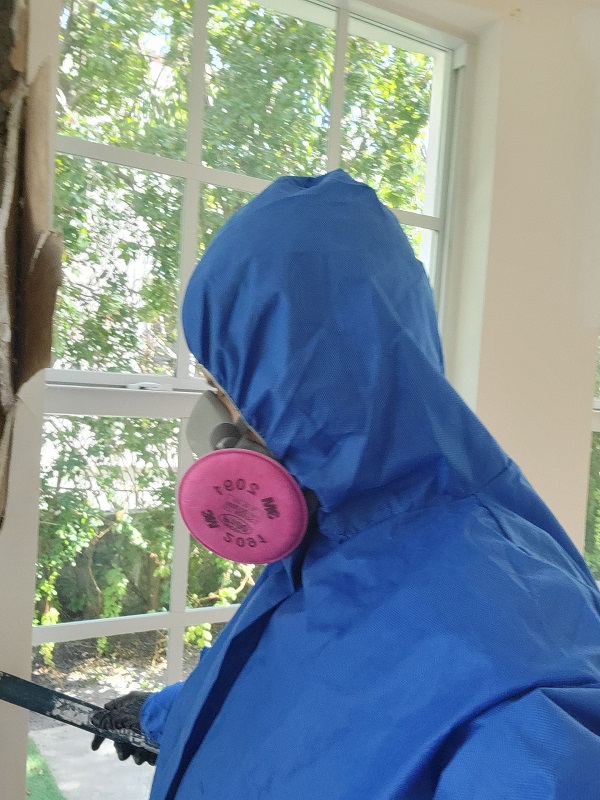
If floodwater has entered your home, avoid handling contaminated materials without appropriate protective equipment. Floodwater can contain harmful microorganisms, sewage, and chemicals.
Read More: Emergency Flood Cleanup & Storm Damage in Hollywood, FL
5. Check Walls, Ceilings, and Floors for Hidden Moisture
Not all storm damage is immediately visible.
A room may appear relatively dry while moisture remains inside the walls, beneath flooring, or above the ceiling. This hidden moisture can create problems over the following days if it is not identified and addressed.
Look for warning signs such as:
- Paint bubbling or peeling from walls.
- Brown or yellow ceiling stains.
- Swollen wooden flooring or loose floorboards.
- Soft or discolored drywall.
- Damp carpet edges or wet baseboards.
- Musty smells inside closets and enclosed spaces.
Pay particular attention to rooms directly below damaged roofs, bathrooms near leaking plumbing, and areas close to windows and exterior doors.
Professional moisture detection can help locate water that cannot be identified through visual inspection alone.
This is especially important for properties that experience repeated flooding or roof leaks during severe weather.
A professional water damage restoration company in Broward County that property owners can rely on should evaluate both visible damage and areas where moisture may be trapped.
6. Start the Drying Process to Reduce Mold Risk
Drying your property is one of the most important steps after storm-related water damage.
South Florida’s humidity can make moisture removal more difficult, particularly when indoor air circulation is limited. Simply opening windows or placing household fans in a wet room may not be enough to dry affected materials completely.
When the electrical system has been confirmed safe, suitable ventilation and drying equipment can help remove moisture.
However, there is an important difference between drying visible surfaces and drying the entire affected area.
For example, carpet may feel dry on top while its padding remains wet. Drywall may look normal even though water has entered its interior. Moisture trapped in these materials can create conditions for mold growth.
Professional drying may involve:
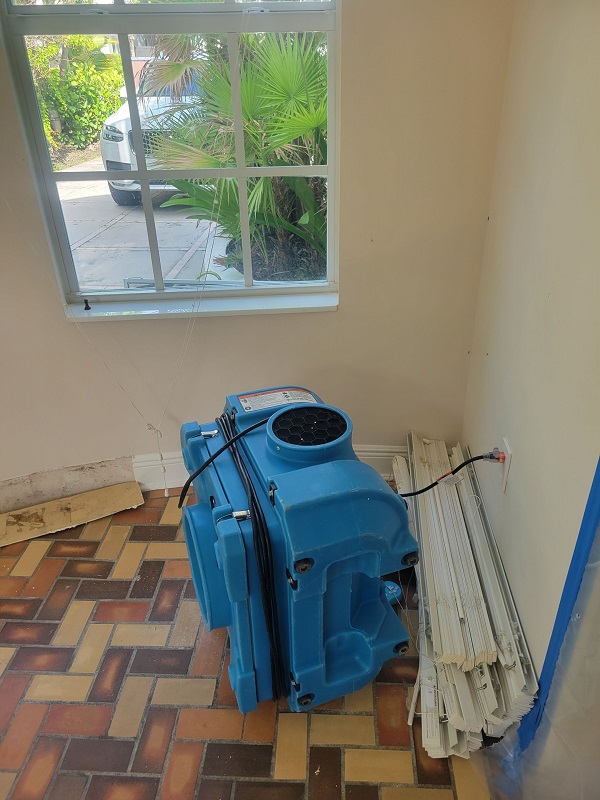
- Industrial air movers to improve air circulation.
- Commercial dehumidifiers to remove moisture from indoor air.
- Moisture meters to monitor affected materials.
- Thermal imaging where appropriate to help locate hidden moisture.
- Repeated moisture checks to evaluate drying progress.
Avoid using fans to circulate air through areas where mold is already growing, as this can spread mold spores. Learn More: How Professional Water Damage Restoration Prevents Mold Growth
Is Water Still Trapped Inside Your Walls or Floors? Visible water is not always the only problem. Get professional help identifying hidden moisture and drying affected areas before additional damage develops.
7. Watch for Early Signs of Mold Growth
Mold is a common concern after storm damage in Broward County, particularly when water remains inside a property.
Mold can grow on materials such as drywall, wood, carpet, insulation, furniture, and other items exposed to moisture.
You may notice:
- Musty or damp smells.
- Dark spots on walls or ceilings.
- Discolouration around windows and baseboards.
- Mold-like growth on furniture or stored belongings.
- Persistent dampness in closets or enclosed spaces.
Remember that mold does not always appear immediately. It can develop in hidden areas where moisture remains trapped.
If mold is present, avoid disturbing the affected materials unnecessarily. Extensive contamination or mold inside wall cavities may require professional assessment and controlled removal.
Professional mold remediation Broward County services can help identify the affected areas, address the underlying moisture source, and determine the appropriate cleanup process.
Property owners searching for black mold removal Miami or mold removal Miami should also understand that the correct approach depends on the extent of contamination, the materials involved, and the source of moisture.
Simply painting over mold or covering a damaged area does not resolve the problem. The moisture source must be corrected, and affected materials must be properly addressed.
You May also like: What Should You Do When You Smell Mold But Cannot See It?
8. What Should You Do With Water-Damaged Furniture and Belongings?
Not every item affected by stormwater needs to be discarded. Some belongings may be cleaned and restored, while others may require replacement.
The decision depends on the type of material, how long it remained wet, and whether it came into contact with contaminated floodwater.
Start by separating belongings into categories.
Items that may be salvageable:
- Certain solid wood furniture.
- Non-porous household items.
- Some metal and plastic belongings.
- Items that can be professionally cleaned and dried.
Items that may require disposal:
- Mattresses soaked with floodwater.
- Wet carpeting and padding that cannot be properly dried.
- Water-damaged insulation.
- Heavily contaminated upholstered furniture.
- Porous materials exposed to sewage-contaminated water.
Keep photographs of damaged belongings for insurance documentation before disposal whenever possible.
Do not handle contaminated materials without suitable protective equipment. If you are unsure whether an item can be safely restored, seek professional advice.
9. When Should You Call an Emergency Restoration Company?
You should contact a restoration professional as soon as possible when storm damage involves significant water intrusion, flooding, roof leaks, or moisture inside building materials.
Some situations require immediate attention rather than waiting until the following day.
For example, consider professional assistance if:
- Water is spreading across multiple rooms.
- Your roof has been damaged and rainwater has entered the home.
- Floodwater has entered living spaces.
- Drywall, ceilings, or flooring have absorbed water.
- Water has reached electrical equipment or appliances.
- You notice musty smells or signs of mold.
- A burst pipe continues to cause water damage.
An emergency restoration company Miami property owners contact should be able to assess the situation, explain the restoration process, and identify the work required to address the damage.
Rapid Response Restoration provides storm and water damage restoration assistance for properties throughout Miami and Broward County.
Depending on the situation, restoration work may involve water extraction, structural drying, cleanup, and mold remediation.
If you need 24-hour water damage restoration in Broward County, prompt communication is important. The sooner the damage is assessed, the sooner appropriate restoration measures can begin.
Need Emergency Restoration Help in Broward County?
Rapid Response Restoration can help assess storm-related water damage, flooding, and moisture concerns. Tell us what happened to your property so we can discuss the appropriate restoration steps.
10. What Happens During Professional Storm Damage Restoration?
Professional storm damage restoration involves more than removing water and cleaning floors.
The restoration process is based on the source of the damage, the amount of water involved, the materials affected, and the condition of the property.
Although every situation is different, the process generally includes several stages.
Initial inspection: Restoration professionals evaluate the affected areas, identify visible damage, and check for potential hidden moisture.
Water extraction: Standing water is removed using appropriate extraction equipment.
Drying and dehumidification: Air movers and dehumidifiers help remove remaining moisture from the property.
Damaged material removal: Materials that cannot be safely restored may need to be removed according to the extent and type of contamination.
Cleaning and sanitising: Appropriate cleaning procedures are used for affected surfaces and belongings.
Mold assessment and remediation: If mold is present, the affected areas are evaluated and addressed as part of the restoration process.
Final moisture checks: Moisture readings help determine whether the affected areas have reached appropriate drying conditions.
For homeowners dealing with storm-related damage, choosing professional storm damage restoration Broward County services can help ensure that both visible and hidden problems receive attention.
What Makes Storm Damage Different in Broward County?
Storm damage in Broward County can create several challenges because of the area’s weather patterns, coastal environment, and drainage conditions.
Heavy rainfall can overwhelm local drainage systems, while strong winds can damage roofing materials, windows, fences, and exterior structures.
Properties in areas such as Hollywood, Fort Lauderdale, Pembroke Pines, Davie, Plantation, Coral Springs, and surrounding communities may experience different types of storm-related damage depending on their location and property conditions.
Common concerns include:
Heavy rainfall and flooding: Intense rainfall can cause water to collect around foundations, enter garages, and affect ground-floor living spaces.
Roof damage: Strong winds and flying debris can loosen shingles, damage flashing, and create openings where rainwater can enter.
Coastal weather exposure: Properties near the coast may experience wind-driven rain and water intrusion during severe weather.
High indoor humidity: Warm, humid conditions can make it harder to dry affected building materials without appropriate equipment.
Drainage problems: Blocked gutters, damaged downspouts, and overwhelmed drainage systems can contribute to water entering properties.
These conditions make timely water removal, moisture detection, and structural drying especially important after severe storms.
How Rapid Response Restoration Helps After Storm Damage
When storm damage affects your home or business, a clear restoration plan can make recovery easier.
Rapid Response Restoration assists property owners dealing with storm-related water damage and other emergency restoration needs across Miami and Broward County.
Depending on the damage, services may include:
- Storm damage restoration.
- Emergency water extraction.
- Water damage cleanup.
- Structural drying and dehumidification.
- Flood damage restoration.
- Mold remediation and removal.
- Assistance with water intrusion from roof leaks and plumbing failures.
The goal is to address the source of the damage, remove affected water, and help return the property to a safe and usable condition.
Whether water is entering through a damaged roof or flooding after heavy rainfall, a professional assessment can help you understand the next steps.
Has a recent storm affected your property? Get in touch with Rapid Response Restoration to discuss your restoration needs and arrange professional assistance.
Frequently Asked Questions About Storm Damage Restoration in Broward County
What should I do immediately after storm damage to my home?
First, make sure everyone is safe and wait until authorities confirm that the property is safe to enter. Document visible damage, avoid electrical hazards, stop the water source if possible, and contact your insurance company. Arrange professional water extraction and drying if water has entered your property.
How quickly should water be removed after a storm?
Standing water should be removed as soon as it is safe to do so. Wet materials should ideally be cleaned and dried within 24 to 48 hours to reduce the risk of mold growth. The actual drying time depends on the materials, water volume, and extent of moisture intrusion.
Can storm damage cause mold inside walls?
Yes. Rainwater entering through roofs, windows, and damaged exterior walls can become trapped inside wall cavities. If the affected materials remain damp, mold can develop even when the outside of the wall looks normal. Professional moisture detection can help identify hidden problems.
Does homeowners insurance cover storm-related water damage?
Coverage depends on your specific insurance policy and the cause of the damage. Some policies cover certain types of sudden storm-related water intrusion, while flood damage may require separate flood insurance. Review your policy and contact your insurance provider to understand your coverage.
When should I arrange flood damage restoration in Broward County?
Arrange professional assistance as soon as possible after flooding, particularly when standing water has entered living spaces, damaged flooring, soaked drywall, or affected electrical systems. Prompt water removal and drying can help limit additional property damage.
Can I clean up storm water damage myself?
Small amounts of clean water on suitable surfaces may be manageable if there are no safety concerns. However, extensive flooding, contaminated water, hidden moisture, and structural damage should be handled by qualified professionals. Never enter a flooded area with electrical hazards.
What is the difference between water damage restoration and storm damage restoration?
Water damage restoration focuses on removing water, drying affected materials, and addressing moisture-related damage. Storm damage restoration may involve a wider range of work, including roof-related water intrusion, wind damage, flooding, debris-related damage, and mold concerns.
How can I prevent mold after storm damage?
Remove standing water quickly, dry wet materials thoroughly, address roof and plumbing leaks, and monitor affected areas for moisture. The CDC recommends drying homes and belongings within 24 to 48 hours when possible. Materials that cannot be properly cleaned and dried may need to be removed.
Protect Your Property After Storm Damage With Rapid Response Restoration
Storm damage can leave more than visible damage behind. Water may remain trapped inside walls, beneath floors, and in other areas that are difficult to inspect without the right equipment.
Taking action during the first 24 hours can help limit further damage, protect your belongings, and reduce the likelihood of additional moisture-related problems.
If your home or business has experienced flooding, roof leaks, or water intrusion after a storm, Rapid Response Restoration is available to help assess your restoration needs throughout Miami and Broward County.
Do not wait for damp materials to develop unpleasant odors or visible mold growth. Request a professional property assessment and discuss the appropriate restoration steps to help protect your property.
